


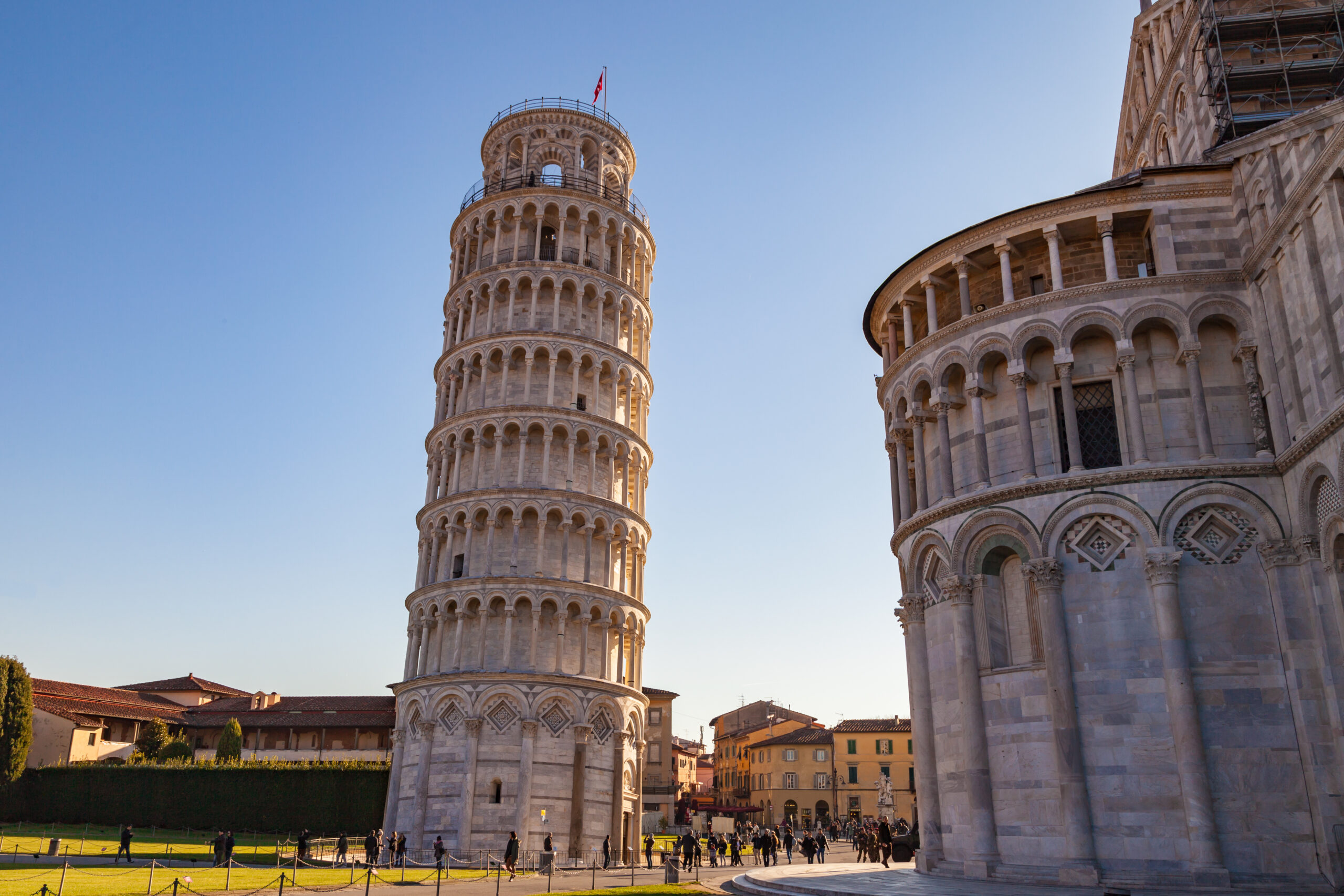
Antonio Cerqua and Guido Panfili among the speakers at the seminar organized by the University of Pisa
8 April 2025
At the University of Pisa, the National PhD Program in AI – Society Cycle of Seminars took place.
During the panel “Predictive and Generative AI for Supporting Healthcare Systems”, Antonio Cerqua, CIO of Almawave, and Guido Panfili, Business Sales Healthcare, spoke about the company’s commitment to developing AI solutions to support the healthcare sector.
In their presentation, they illustrated how generative AI tools integrate with and enhance traditional artificial intelligence models in the analysis and interpretation of large volumes of data. This integration improves the timeliness and accuracy of diagnoses and enables the development of personalized treatments tailored to the specific characteristics of each patient. Among the solutions presented, the Clinical Decision Support System (CDSS) plays a central role: using advanced algorithms, it generates prognostic and predictive indicators from heterogeneous data collected from multiple sources at different stages of the care process. Panfili emphasized that “to the value of the CDSS in supporting the personalization of care pathways, generative AI adds further momentum from both an operational and functional standpoint, facilitating its integration into healthcare settings, reducing the administrative burden for clinicians, and contributing to the overall efficiency of healthcare facilities.”
Antonio Cerqua introduced Velvet, the family of Large Language Models developed by Almawave. Designed specifically for the healthcare sector, Velvet proves to be a valuable ally in managing clinical documentation, supporting medical research, and assisting patients. With the ability to accurately analyze large volumes of data—from scientific literature to medical records—it aids healthcare professionals in decision-making, treatment planning, and improving the overall quality of care.